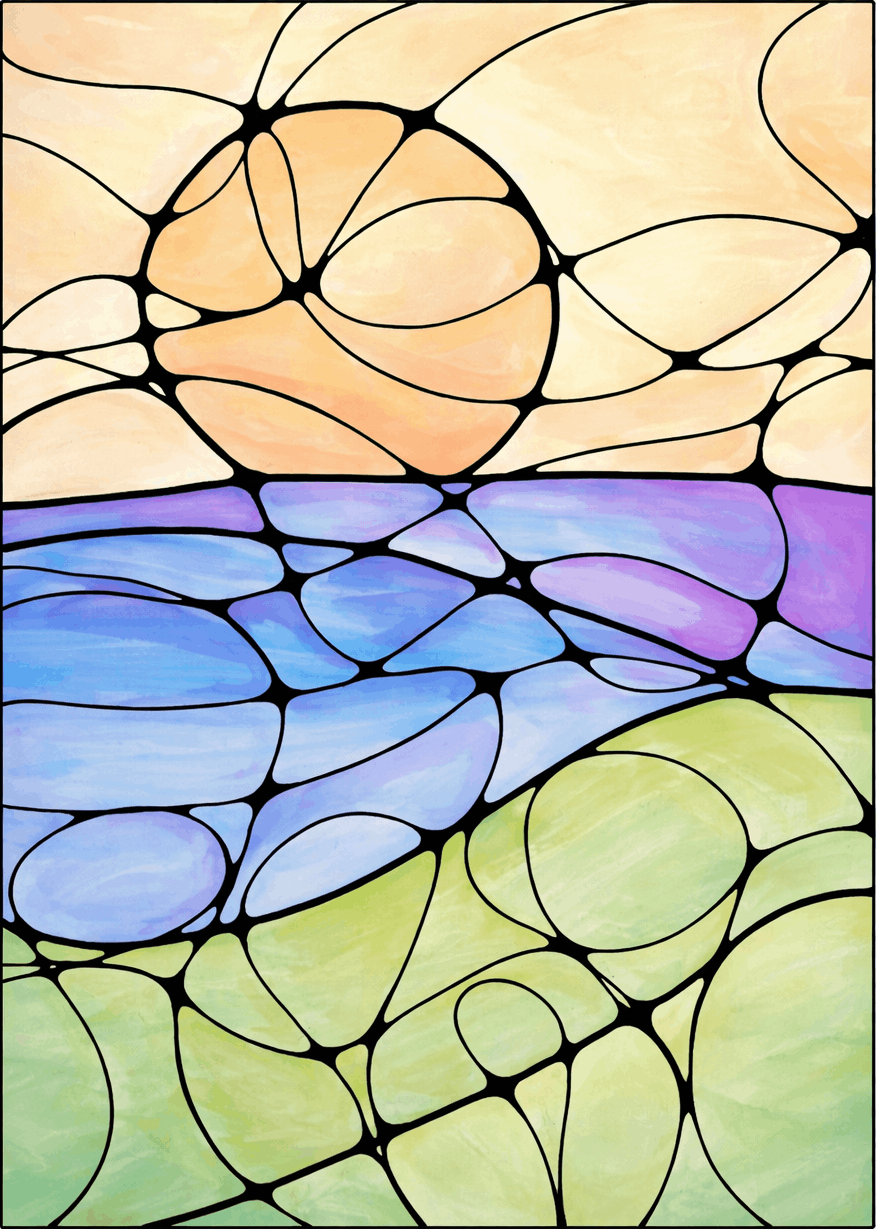
Abstract neurographic landscape artwork in watercolour with sun setting over a calm sea. Features warm oranges, blues, purples, and greens, conveying tranquillity.

Examples of work completed

Neurographica /
Neurographic Art

This is an artform that Taff Rocks is seeking to add to its repertoire in 2026.

It is currently only used as part of a wider programme of events that we are able to run in partnership with, or funded by, the USW and Carers Wales.

If you'd like to see this as part of our stand alone events, please contact us here.

To find out what it is, please read on.


Follow this link for our upcoming schedule of events on Eventbrite.

| What is it? | How can it help? | Can it be expanded on? | What do we hope to provide? | 
| Do you want to see this at Taff Rocks? |

What is Neurographica?

Neurographica, or neurographic art, is a fun and meditative art form developed by Russian psychologist Pavel Piskarev in 2014. However, many of you reading this will possibly remember carrying out this form of art as a younger person in school or as a child wanting to make art from 'doodles'.

"Neuro", as we call it for short, combines science, mindfulness, and art to rewire neural pathways and reduce stress. But we focus on the fun and resulting mindfulness aspects of the process.

It involves drawing spontaneous or impulsive, flowing lines then rounding their intersections to create intricate, neuron-like patterns, that can symbolise a resolution of personal challenges. 

How can it help?

Stress Management / Calms the Mind and Reduces Anxiety: Art to release anxiety and tension to help you feel more grounded
Goal Setting / Provides Focus: Sketching with a specific goal.
Therapy/Meditation: Although Taff Rocks are not art therapists, we understand and have experienced the therapeutic properties of participating in many art processes. It can be used for quiet reflection and is often described as a form of doodling.
Processing emotions: It can providing a creative outlet for working through trauma or challenging situations.
Improves Motor and Cognitive Function
Enhances Visuospatial Skills.
Reduces Tremors and Freezing.
Provides Non-verbal Communication.


Research has also shown that this art form can benefit:

Dementia Patients: Neurographic art can significantly benefit dementia patients by providing a calming, non-verbal outlet that reduces anxiety, agitation, and frustration. The structured, free-flowing drawing process boosts cognitive function, encourages creativity, improves fine motor skills, and fosters a sense of accomplishment, ultimately enhancing quality of life and self-esteem.

Parkinson's: Disease: Neurographic art, as a form of structured, mindful art therapy, can provide significant benefits for people living with Parkinson's disease (PD). It specifically targets both motor and non-motor symptoms by promoting neuroplasticity, improving visuospatial abilities, and fostering relaxation.
The creative process, often enhanced by dopamine replacement therapies, can be channeled into a therapeutic outlet. Engaging in "flow" states while drawing allows people with Parkinson's to experience a sense of control and freedom from their debilitating symptoms.
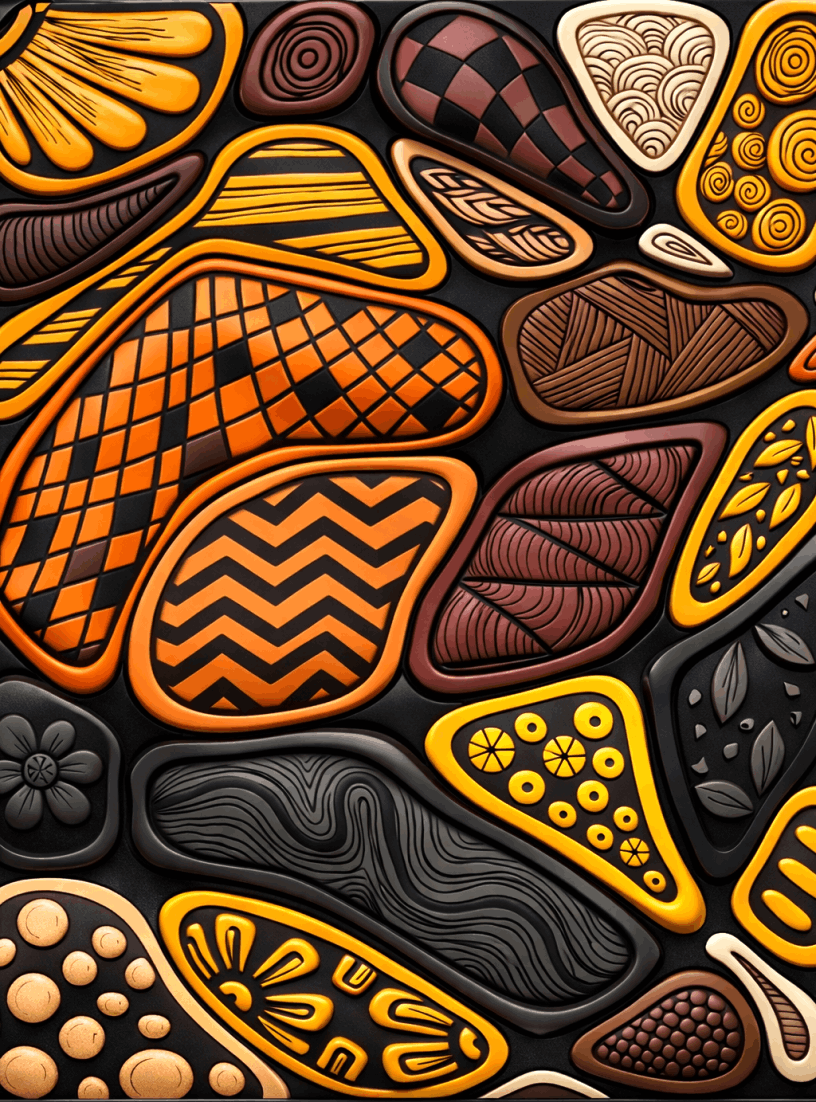
Abstract neuro tangle art with geometric patterns and earthy tones. Shapes include chevrons, swirls, and spirals in orange, brown, and yellow hues.

Example of Neurotangles

Can this artform be expanded on?

In a word, yes.

Neurographic art can be expanded on in a variety of ways.

One such suggestion is something called a 'Neurotangle', shown here. This is a mix of both neurographica and tangles / zentangles.

Neurography: A drawing technique inspired by the patterns of neurons.
Neuron: A nerve cell in the brain or spinal cord.
Tangle: One structured abstract (nonrepresentational, nonobjective, non-realistic) pattern.
Zentangle: An abstract drawing created using repetitive patterns
String: Lines that divide an area within a border into sections to be filled with tangles.

This artform can also be used as a background for further work, even using a stencil.

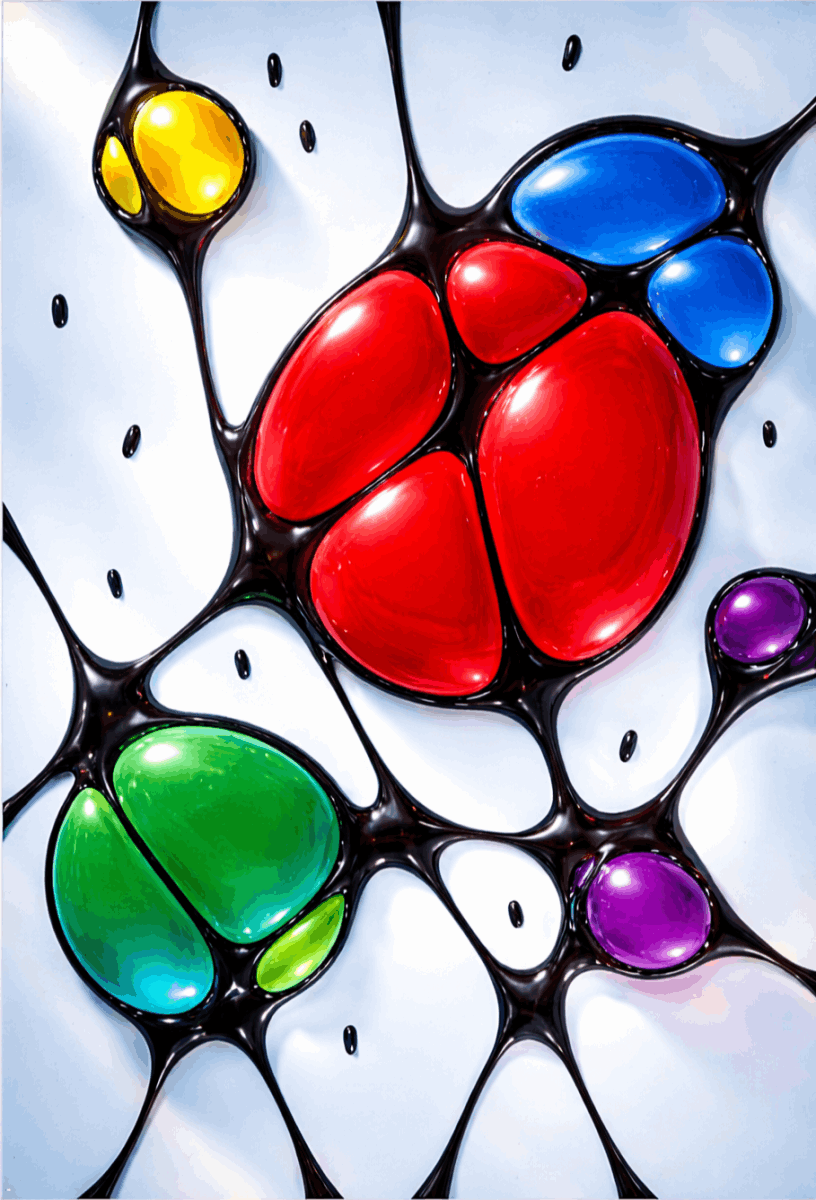
Abstract neurographic art of bold, glossy shapes: large red, green, blue, and purple ovals connected by black web-like lines on a white background.

Example of Neurographica.

What Taff Rocks hopes to provide.

As with so many essential works, the future of adding this to our standalone repertoire relies on our ability to fund or secure funding for this venture.

Up until now, we have seen how a number of our beneficiaries have benefited from this process, but providing it has always been a very small part of an ongoing series of classes or sessions funded by other means.

It is our intention to seek funding that will enable is to provide the raw materials:
Canvasses
Pants
Brushes
Waterproof pens
Mixed media / watercolour paper

Plus any other resources we find beneficial during our research period.

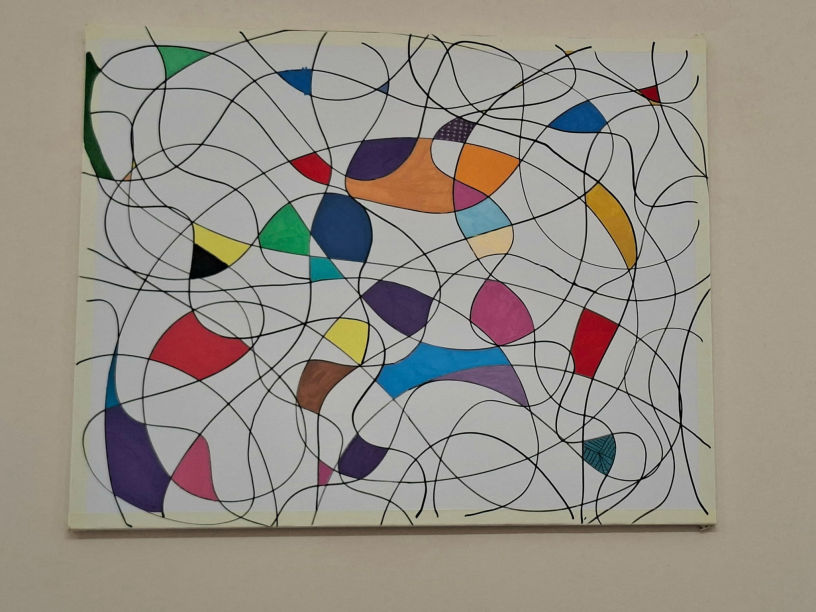
The community collective neuro canvas at Smyrna, featuring tangled black lines and vibrantly coloured shapes, including red, blue, and yellow, creating a dynamic, chaotic feel. Chaotic until complete!

Community Collective Neuro. Image as of May 2026

This doesn't sound like fun at all!

Don't you believe it!

Part of the fun aspect that the two main Taff Rocks facilitators found during the process of creating a finished piece was a 'tag-team' creation where 'Tag! You're it." turned fun because the made up rules said there couldn't be two colours the same on one piece. Which means, this can be a family piece of art too!

To test our theory that it is fun and wanted, we currently have a collective neuro canvass happening at Smyrna.

Good, clean family or individual fun, plus relaxing.

Colourful brushes and markers on a pastel background surround the words Neurographic Art, with an abstract circular design in the centre. Nearby are logos and icons indicating free Wi-Fi and accessibility. Bright, creative, and inclusive atmosphere.

Example image

Do you want to see this at Taff Rocks?

If you feel this is something you'd like to see as s standalone class / workshop, please let us know here

The Smyrna building. A small stone chapel with a classic gabled roof and arched windows. The entrance features a wooden door. The building evokes a serene, historical ambiance.
Registered office:

Smyrna Chapel Community Hall,
Aberfan Road, Aberfan,
Merthyr Tydfil CF48 4QN

Follow Us
Charity Registration
  • Taff Rocks is registered in England and Wales as a Charitable Incorporated Organisation (CIO). Registered Charity Number: 1192749

Offline Website Software